
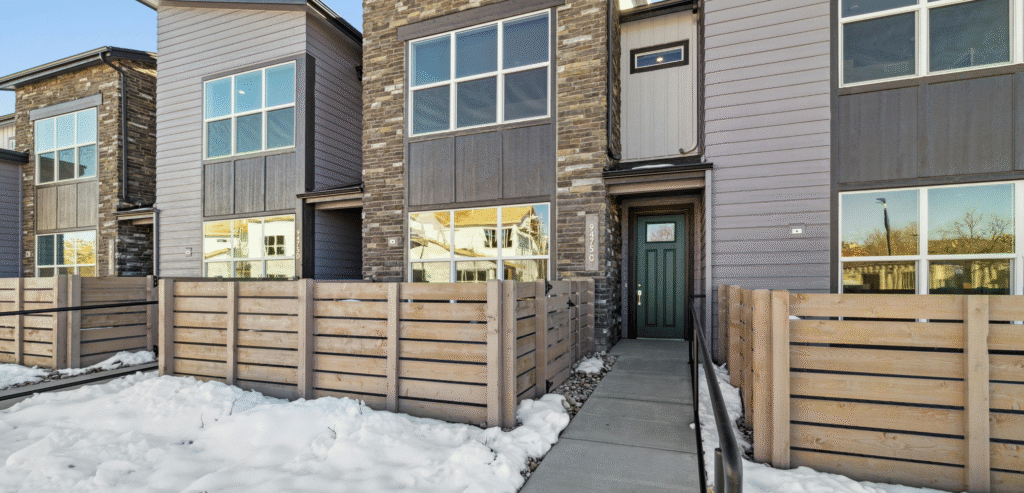
If you had asked this question a few years ago, the answer might have been pretty simple. Buy low, raise rents, and let appreciation do the rest. Today’s market is a little more nuanced. A good deal is less about chasing the lowest price and more about finding a property that actually works long term.
Here’s what I look for when helping investors decide whether a multi-family property is truly a good deal right now:
It Works on Paper With Conservative Numbers
The first thing I look at is whether the numbers make sense without stretching them. That means using realistic rents, planning for vacancies, and accounting for true operating expenses. If a deal only works under perfect conditions, it is usually not the deal you want. A solid property should still make sense even when you run the numbers cautiously.
Before calling a multi-family property a good deal, I usually run a few quick checks:
Gross Rent Multiplier (GRM):
- Purchase price ÷ annual gross rent
- A lower number generally signals better income potential.
Estimated Cash Flow:
- Monthly rent
- minus operating expenses
- minus mortgage payment
Vacancy Buffer:
- Assume at least 5 to 8 percent vacancy, even in strong rental markets.
The Location Supports Long-Term Demand
Location still does a lot of the heavy lifting. I pay close attention to nearby employment, schools, transportation, and everyday conveniences. Areas that consistently attract renters tend to hold up better during market shifts. Sometimes the best-performing properties are in stable, practical neighborhoods rather than the trendiest ones.
What I look for in a strong multi-family location:
- Consistent rental demand, not just seasonal spikes
- Proximity to major employers or hospitals
- Easy access to grocery stores, schools, and transit
- Low turnover history in the area
The Unit Mix Makes Sense for the Market
Not all units rent the same, and the mix matters. A property with a good balance of unit sizes can reduce vacancy risk and appeal to a wider pool of tenants. Layout, functionality, and livability all play a role in how easily units stay occupied.
There Is Upside Without Overpromising
Most strong multi-family deals have some room to improve, but the keyword is realistic. Light renovations, better management, or bringing rents in line with the market can create value over time. Deals that rely on aggressive rent hikes to work are often riskier, especially in a more balanced market.
Expenses Are Clear and Manageable
A good deal should not come with surprises. Before moving forward, I like to see a full, transparent picture of what it actually costs to run the property. When expenses are clear, investors can plan confidently and avoid margin erosion down the road.
Here are some of the key expenses I always review with investors:
- Maintenance and repairs: Ongoing upkeep, not just recent fixes
- Property management: Whether it is self-managed or professionally managed
- Insurance: Especially important for older or larger multi-family properties
- Property taxes: Including reassessments after purchase
- Utilities: Water, sewer, trash, or any utilities covered by the owner
- Capital expenditures: Roof, HVAC, plumbing, or major systems that may need replacement
If any of these numbers are missing, vague, or unusually low, it is worth slowing down and asking more questions. Clear expenses are often what separate a solid long-term investment from a deal that looks good only at first glance.
The Financing Supports the Investment
Even a great property can fall apart if the financing does not work. Interest rates, down payment requirements, and loan terms all matter. The right financing structure can turn a good property into a strong investment, while the wrong one can strain cash flow from day one.
You Know Your Exit Strategy Going In
It is essential to know how you would exit the investment before you buy. Whether the plan is to hold long-term, refinance, or sell down the road, a good deal gives you options. Properties with flexible exit strategies tend to perform better when markets shift.
It Aligns With Your Investment Goals
At the end of the day, a good deal is a personal matter. Some investors prioritize steady cash flow, while others focus on appreciation or scaling their portfolio. The right multifamily property should align with your goals, timeline, and level of involvement.
Final Thoughts
In today’s market, a good multi-family deal is balanced, realistic, and aligned with your strategy. It is not about rushing into something because it looks good on the surface. It is about understanding the full picture and making a confident, informed decision.
If you are interested in buying multi-family properties and want guidance on finding and evaluating the right opportunities, I would love to help. Reach out anytime, and let’s talk about what makes sense for your investment goals!